
In times of crisis or natural disasters, having a well-prepared home emergency kit can make all the difference. Whether it's a power outage, severe weather, or other unforeseen events, having essential items on hand can help you and your family stay safe and comfortable.
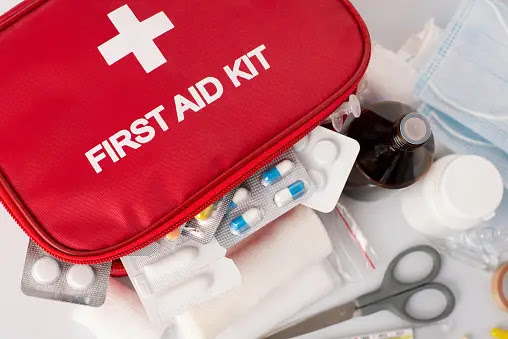
Here's a comprehensive checklist of items to include in your home emergency kit -
1. Water and Water Purification Supplies
Store at least one gallon of water per person per day for at least three days, for drinking and sanitation.
Include water purification tablets or a portable water filter in case your water supply becomes contaminated.
2. Non-Perishable Food
Stock up on canned goods, dry fruits, nuts, and other non-perishable food items that can last for an extended period.
Don't forget a manual can opener if your canned goods don't have pop-tops.
3. First Aid Kit
A well-stocked first aid kit should include bandages, gauze pads, adhesive tape, scissors, tweezers, antiseptic wipes, and over-the-counter medications like pain relievers and antihistamines.
4. Flashlights and Batteries
Have several flashlights in your kit along with extra batteries. Consider including a hand-crank or solar-powered flashlight as a backup.
5. Multi-Purpose Tool
A multi-tool with a knife, pliers, screwdriver, and other handy tools can be invaluable in various emergency situations.
6. Personal Hygiene and Sanitation Items
Pack items like soap, hand sanitizer, moist towelettes, garbage bags, and plastic ties for personal hygiene and sanitation needs.
7. Important Documents
Keep copies of essential documents such as identification, insurance policies, medical records, and contact information for family members in a waterproof container.
8. Clothing and Blankets
Include a change of clothes and sturdy shoes for each family member, as well as blankets or sleeping bags to stay warm.
9. Communication Devices
Have a battery-powered or hand-crank radio for receiving emergency broadcasts. Consider including a whistle to signal for help if needed.
10. Cash and Coins
Keep some cash in small denominations and coins in your kit, as ATMs and credit card machines may not be accessible during emergencies.
11. Special Needs Items
If you have infants, elderly family members, or individuals with specific medical needs, make sure to include items like baby formula, diapers, prescription medications, and medical supplies tailored to their requirements.
12. Entertainment and Comfort Items
Include items like books, games, or toys to keep family members occupied and reduce stress during an emergency.
Final Thoughts
Regularly review and update your emergency kit to ensure that items are not expired, batteries are charged, and supplies are adequate for your family's needs. Additionally, consider any unique circumstances or regional risks when customizing your emergency preparedness checklist.
By being proactive and prepared, you can better protect yourself and your loved ones in times of crisis.
Edited By Umaima
Disclaimer - This article has been authored exclusively by the writer and is being presented on Eat My News, which serves as a platform for the community to voice their perspectives. As an entity, Eat My News cannot be held liable for the content or its accuracy. The views expressed in this article solely pertain to the author or writer. For further queries about the article or its content you can contact this email address -
umaimajbp@gmail.com


0 Comments